

The habits behind discretionary spending
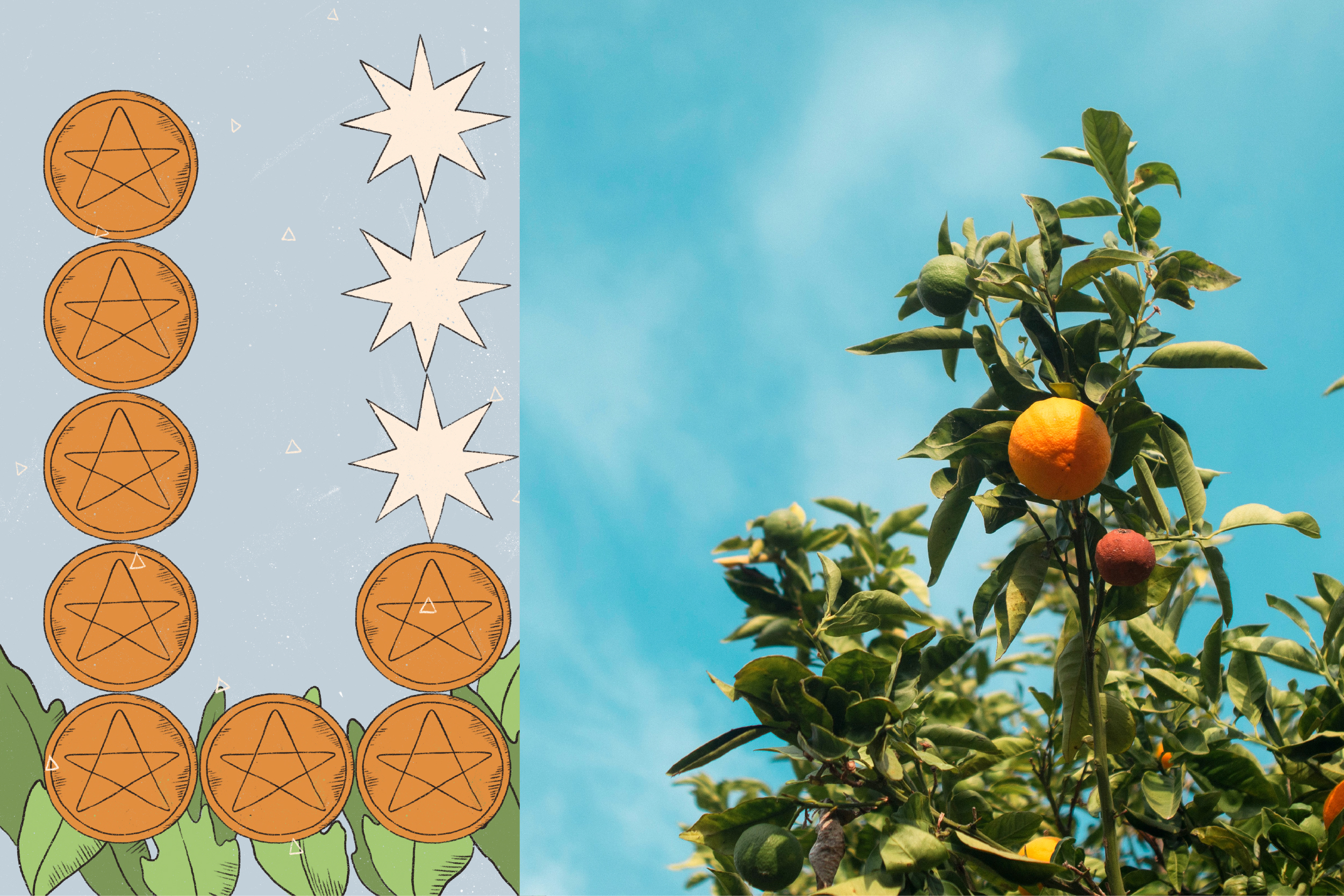
Discretionary spending is rarely one dramatic purchase. It is a stack of tiny yeses: the upgrade at checkout, the extra class, the delivery you could have skipped and did not.
Start with frequency, not dollar size
A $14 charge that happens twelve times is the same conversation as a $168 charge that happens once. The first one hides because it looks like a treat. Count how often, then look at the total.
A habit is a purchase you stopped noticing.
You do not need a new personality. You need a list of the repeating yeses. Once they are named, you can keep them, change them, or leave them exactly as they are. The point is sight, not punishment.
Where the tiny yes lives
Look at the last thirty days of cards and apps. Mark every purchase that was optional in the moment. Optional does not mean wrong. It means it could have gone either way.
Discretionary is not a slur
- The upgrade offered at checkout
- The membership you meant to pause
- The delivery that replaced a plan
- The gift bought to avoid a feeling
What a reading can show
A money reading will not rank your habits as good or bad. It can reflect that you say yes often when you are tired, or that care for other people shows up as spending. That is a description of answers you gave.
No verdict
This essay is educational. It is not a plan for cutting back, and it is not a promise that seeing a habit will change it. If you want the questionnaire, start the free reading.
Get reading notes by text
Promotional notes on new readings, Inner Circle, and educational drops. Optional, never required.
